CPA and Bookkeeping Denton AlternativeThe half percent only three cities pay

An owner can watch the receipt total look right while the transit half is missing from the code. State, city, and a transit half land on the same receipt, and only three cities in the county pay that half.

Read the half
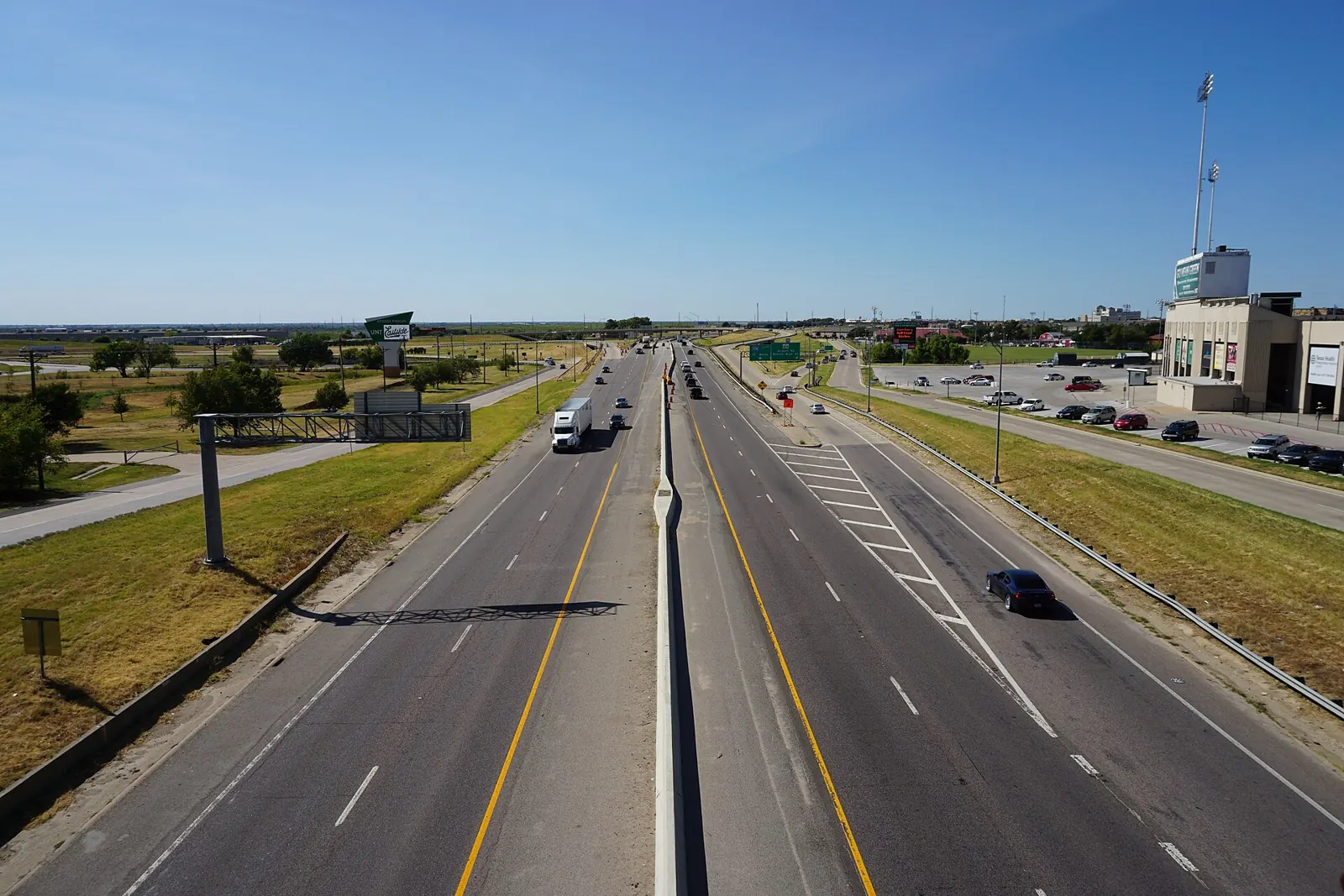
Interstate 35E beside the University of North Texas campus in Denton
The three pieces on one receipt.

A sale inside the city is not taxed at one flat mystery number. The receipt is three pieces sitting on top of each other. The state piece is 6.25 percent. Under local code 2061024 the city collects 1.5 percent. Under local code 3061774 the transit authority collects 0.5 percent. Add those three and the receipt shows 8.25 percent.

People remember 8.25 and forget the pieces. The pieces are the part that breaks when a code is copied from somewhere else. A code can keep the state piece and the city piece and drop the transit piece, and the receipt will look almost right. Almost right is how a year of sales gets filed at the wrong total.

The transit piece has a start date. It has been in effect since 1 January 2004. A file that still uses a combined rate from before that date is not being careful. It is being old. Old codes feel familiar, and familiar is how they survive inside a point of sale that nobody has opened since the shop changed hands.

No fourth piece is added here just to round out the story. If a locator result for a real address shows a different stack, that result wins over a paragraph on this page. This page is the ordinary stack for a sale inside the city limits, not a substitute for the address where the sale happened.

Only three cities pay that half.

The transit half is not a countywide tax. The members are Denton, Highland Village, and Lewisville. A sale in one of those three cities carries the half. A sale in another city in the same county does not, unless that city has some other local piece of its own.

Look up this county on the county sales tax table and the row is empty. There is no county sales tax to add on top of the city and the transit half for an ordinary sale inside the city. Owners who add a county line because other Texas counties have one are adding a tax this county does not impose.

That is why two shops a short drive apart can both be honest and still print different totals. One shop is inside a member city. The other is not. The customer feels a price difference. The bookkeeper feels a code difference. Both feelings are about the same half percent.

Two interstate branches rejoin beside the campus and keep going under one number. We drive that join the way a neighbor does, and then we look at the receipt. A receipt from one side of the join and a receipt from the other side can still be two different rates, because the road is not the city limit.

A district half is not a fourth habit.

Denton County Development District No. 4 carries its own 0.5 percent special purpose sales tax, local code 5061523, in effect since 1 October 1999. That sentence is about the district. It is not a permission slip to add another half percent onto every sale inside the city.

The city piece plus the transit half already uses the local room many addresses have. A second half percent has to be checked against the place of the sale, not added because a note in a drawer mentioned a district. Do not stack 5061523 on top of 8.25 from memory.

The test that works is dull, and dull is the point. Take the address where the customer received the goods or where the service was performed, and read the locator for that address. If the district code is in the result, it belongs on that sale. If it is absent, it does not belong, no matter how many years the code has existed.

We see this most often after a register was programmed by someone who used to work in the district and now works in the city, or the other way around. The person moved. The code did not. The month looks reconciled because the bank does not know which code was used.

What we do with a wrong half.

Bring the weekend that looks odd. We split the receipts into sales inside the three member cities and sales outside them. The tax collected on each pile is recomputed from the pieces, not from the total the register happened to print.

If the register collected too little, the business still owes the difference. Collecting the wrong amount from the customer does not shrink the amount the return has to report. If the register collected too much, the extra is not revenue. It is money that has to be tracked until it is repaid or reported the way the instructions say.

The monthly close is where this gets caught, not at the franchise report in May. A half percent on a year of sales is large enough to matter and small enough to hide inside a payout fee. The month of the sale is the cheapest month to catch it.

The two invoices page is the companion to this one. A shop ticket and a card payout can disagree because of the half, because of a fee, or because of both. Read them as separate problems that sometimes share a weekend.

If one check stays in your head, let it be the member list. Denton, Highland Village, and Lewisville pay the transit half. The rest of the county does not pay it merely by sharing the county name. A register that asks which city the sale was in will save more tax trouble than a register that asks nothing and reuses yesterday's code.
Ask about the half.

Say whether the sale was inside the city or in the next city over, and which code the register used.

Steven Palmieri, Tax CFO

You will be talking to the Steven Palmieri practice.

What to read next.